Anorgasmia & Why You Can’t Climax
Orgasms—everyone can easily and frequently have them, right? Wrong! The movies and the internet would like to have us believe the ability to achieve an orgasm is a common occurrence for all people, but we know this is simply not true. For all kinds of reasons, many people experience anorgasmia, also known as delayed or absent orgasms.
If you are experiencing anorgasmia, please be reassured that you are not alone! Believe us, it’s way more common than the media would like you to believe. And, good news! With some research into the reasons why you might be experiencing this orgasmic disorder, anorgasmia is treatable and may be fixed over time.

Because a fulfilling physical connection is such an important part of marriage, anorgasmia rarely affects just one person—it can quietly create frustration, self-doubt, and distance for both spouses. The reassuring news is that this is something you and your spouse can understand and work through together. Below, we’ll cover what anorgasmia is, what causes it, how it’s treated, and—just as importantly—how to support each other along the way.
Table of Contents
What Is Anorgasmia?
According to the Mayo Clinic, anorgasmia is described as “delayed, infrequent or absent orgasms—or significantly less-intense orgasms—after sexual arousal and adequate sexual stimulation.” This often leads to feelings of frustration and personal distress, which qualifies it as anorgasmia rather than just a simple inability to orgasm.
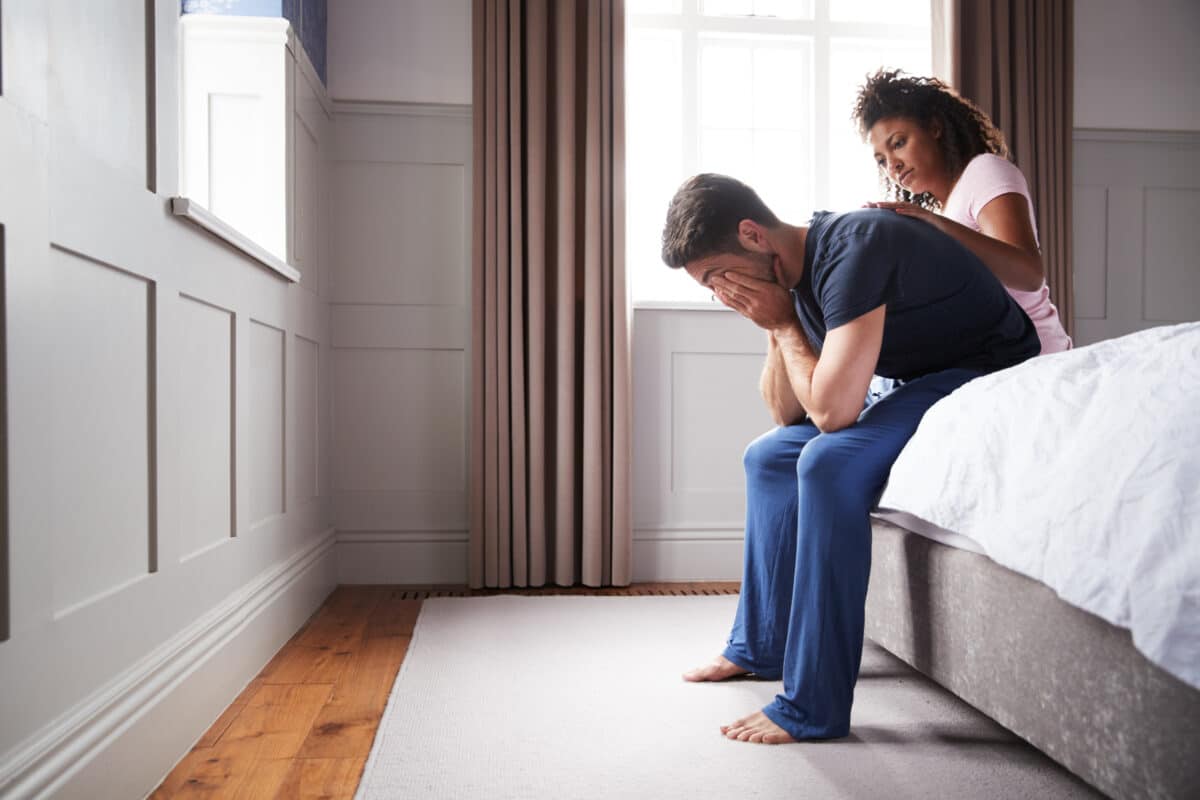
Healthline explains, “The inability to orgasm only qualifies as anorgasmia if it’s accompanied by feelings of frustration, self-doubt, shame, inadequacy, anger.” If your inability to climax easily or frequently is causing you a significant amount of distress or anguish, you may have anorgasmia.
Anorgasmia Symptoms & Types
Anorgasmia in women can be similar and different from symptoms of anorgasmia in men. While anorgasmia is significantly more common in women, it’s estimated that 8% of men experience this orgasmic disorder as well.
Jerry Kennard, Ph.D., emphasizes, “The condition should not be confused with erectile dysfunction (the inability to achieve an erection) or low libido (lack of sexual desire). However, these conditions may co-exist.”
According to the Cleveland Clinic, anorgasmia in women is broken down into four categories or types:
- Primary: This type describes a woman who has never climaxed or achieved an orgasm.
- Secondary: In the secondary type, a woman was once able to orgasm but is now unable to climax. Many women experiencing menopause may have this type.
- Situational: In this type of anorgasmia, a woman is only able to achieve orgasm in certain situations like self-stimulation.
- General: This type of anorgasmia describes a woman who is unable to reach orgasm even when aroused.

Anorgasmia in men is broken into two different types:
- Primary: This type describes a man who has never been able to reach an orgasm.
- Secondary: Like the situational type in women, this type of anorgasmia is when a man can only reach an orgasm in certain or specific circumstances like self-stimulation or oral sex.
It’s important to remember that these symptoms can affect anyone, male or female, at any age.
Causes of Anorgasmia
So, what causes anorgasmia? Unfortunately, there are too many reasons to even count! According to Healthline, “environmental, emotional, mental, spiritual, and physiological factors, all work together to mediate a … sexual response.” In other words, you might have to do a lot of work and research to find out why you are unable to reach orgasm.
Some potential causes of anorgasmia could be either physiological, psychological, or both. Some physical factors or causes may include:
- Physical conditions or diseases
- Hormonal imbalances
- Nerve damage
- Prescription drug side effects
- Age
- Pelvic floor dysfunction
- Dyspareunia (or pain during sex)
Psychological factors may include:
- Depression
- Previous trauma or abuse
- Anxiety
- Stress
- Religious or cultural beliefs
- Low self-esteem or body image
This is obviously not an exhaustive list of reasons why you are not able to reach orgasm. However, it’s a good starting point when looking for the root causes of your orgasmic disorder.
Anorgasmia Treatment
If you believe you are suffering from anorgasmia, the next step is to schedule an appointment with a doctor. While you may be hesitant to discuss such a personal issue with someone else, it’s really nothing to be ashamed of. The right doctor will be happy to help diagnose your symptoms and get you the right treatment.
According to the Mayo Clinic, when seeing a doctor about your anorgasmia, you may be asked certain questions about your sex life. Prepare yourself for questions like the following:
- “Your recent and past sexual experiences
- Your partner or partners
- How you feel about your sexual experiences
- The types of stimulation or sexual activity you engage in”
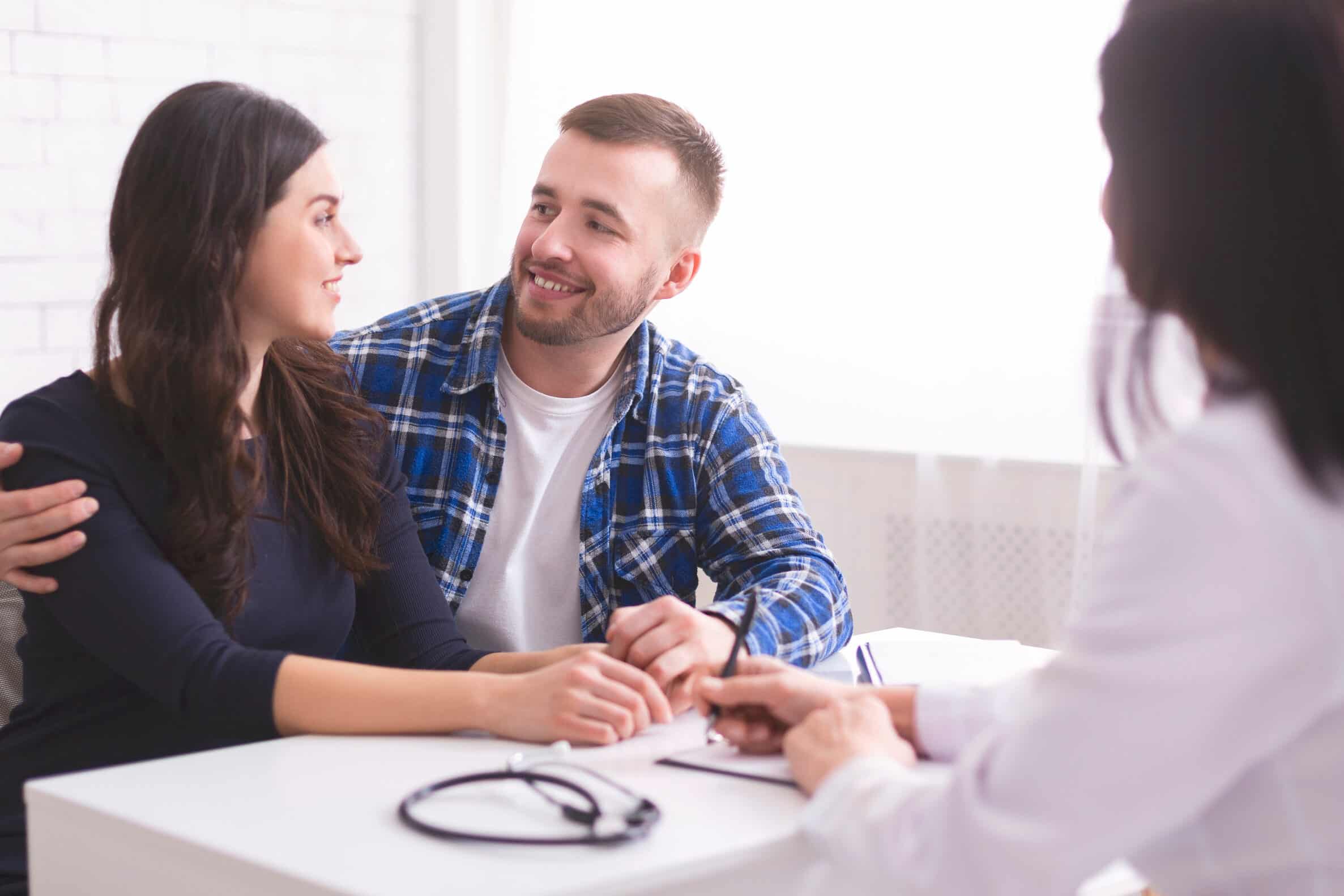
Some treatments may include lifestyle changes and educating yourself about your own body. Your healthcare professional will help you understand your anatomy, “help you address any questions, and clear up any misunderstandings.”
Learning more about your own body and how it responds to sexual stimulation can also help in your journey to achieving orgasm. Trying out new things and toys with your spouse may introduce new sensations you haven’t experienced previously.
It can also be very beneficial to understand the way your own body gives and receives sexual pleasure. Discovering and understanding your own “Erotic Blueprint” can aid you in understanding what arouses you and what turns you off.

Navigating Anorgasmia Together as a Couple
Anorgasmia can feel isolating, but your spouse doesn’t have to face it alone—and neither do you. How the two of you respond to it matters just as much as any treatment. Approaching it as a team, rather than as one partner’s “problem,” takes the pressure off and protects your intimacy while you search for answers together.
- Talk about it without blame or pressure. Bring it up gently and outside the bedroom, and make it clear you’re facing this together. Honest, kind communication keeps anorgasmia from hardening into shame or resentment.
- Take the pressure off orgasm. Making climax “the goal” often makes anorgasmia worse. When you focus on connection, pleasure, and closeness for their own sake, orgasm frequently becomes more likely, not less.
- Keep intimacy alive in other ways. Non-sexual touch, foreplay, and simply exploring what feels good together all strengthen your bond. Trying new sensations—including toys or learning each other’s “Erotic Blueprint”—can reopen pathways to pleasure.
- Be patient and encouraging. Treatment often takes time and some trial and error. Remind your spouse—often—that your love and attraction have nothing to do with their ability to orgasm.
- Get help as a team. A doctor can address physical causes, and sex therapy can help you both work through the emotional side together rather than carrying it alone.
Facing anorgasmia side by side can actually deepen your trust and intimacy. Many couples find that working through it patiently and tenderly brings them closer than they were before.
Podcast Recommendation
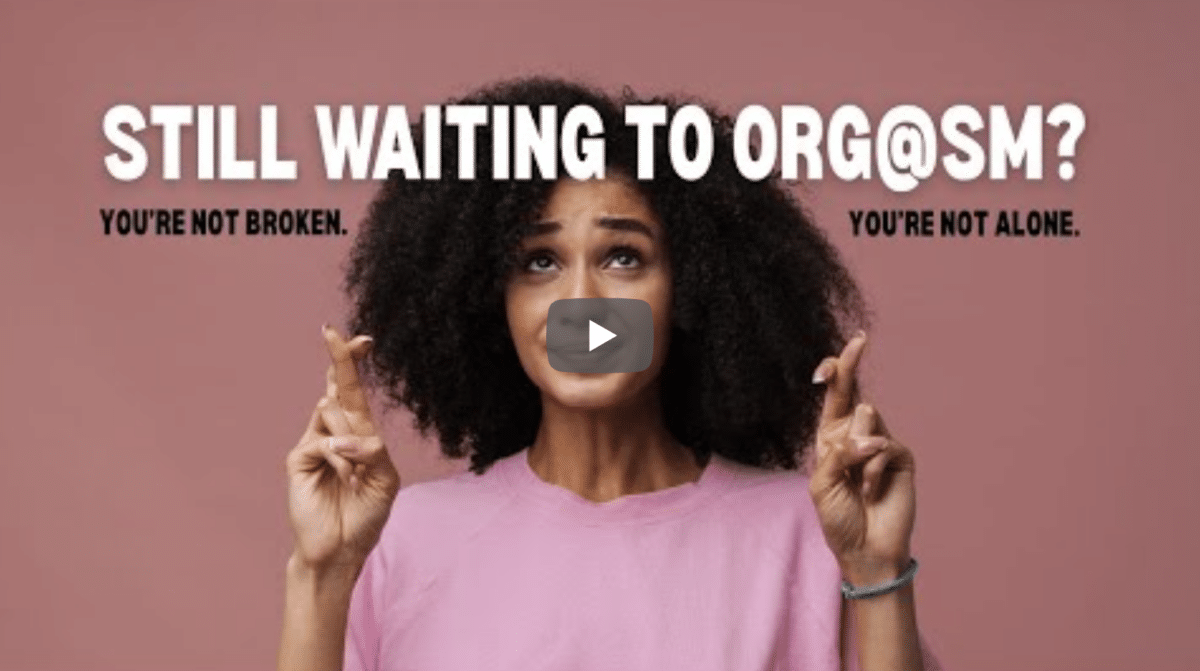
You might want to listen to this podcast from Get Your Marriage On called, “Still Waiting for Orgasm? A Loving Guide For Women Who’ve Tried Everything.”
For more on the female orgasm and navigating different levels of desire between spouses, this Q&A episode is also worth a listen: “Female Orgasm, Premature Ejaculation, and Why It’s So Hard To Be a Higher Desire Spouse.”
Hope for Anorgasmia in Men & Women
While anorgasmia in men and women can be a huge cause of distress, shame, and anguish, there is definitely hope for sufferers! Please don’t be afraid to reach out and get help from your spouse and trusted healthcare providers.

It may take a lot of trial and error, but there is hope you may be able to achieve an orgasm in the future. As always, we are here to offer our love and support in your efforts! Keep on strengthening yourselves and your marriages!
Are you looking for more information on sex and intimacy issues? We’ve got you covered! Take a look at these amazing posts below:
- Sexual Performance Causes, Treatments, & Solutions
- How to Find Help for Sexual Dysfunction
- Sex Therapy: What You Need to Know
- Low Sex Drive in Women After Childbirth
- Best 20 Ted Talks on Marriage, Relationships, and Intimacy
- 10 Best Sex Books for You and Your Spouse
Sources:
- Anorgasmia: Causes, symptoms, diagnosis & treatment. Cleveland Clinic. https://my.clevelandclinic.org/health/diseases/24640-anorgasmia
- Anorgasmia in women. Mayo Clinic. https://www.mayoclinic.org/diseases-conditions/anorgasmia/diagnosis-treatment/drc-20369428
- Here’s What You Need to Know About Anorgasmia in Vulva Owners. Healthline. https://www.healthline.com/health/healthy-sex/anorgasmia-in-people-who-have-a-vulva
- Male Anorgasmia: Causes and Treatment Options. Verywell Health. https://www.verywellhealth.com/anorgasmia-causes-and-treatment-options-2328525
Anorgasmia FAQs
Yes. Difficulty reaching orgasm — or not reaching it at all — is very common, especially in women, and it affects people of every age. It’s only considered anorgasmia when the lack of orgasm causes real distress or frustration. Either way, it’s nothing to be ashamed of and it’s often treatable.
It can. Because physical intimacy is an important part of many marriages, ongoing difficulty with orgasm can lead to frustration, self-doubt, or distance for both spouses if it isn’t talked about. The encouraging news is that couples who approach it openly and as a team often protect — and even deepen — their connection while working toward a solution.
Lead with reassurance, not pressure. Let your spouse know your love and attraction aren’t tied to their ability to orgasm, talk about it gently and without blame, and take the focus off “achieving” orgasm so intimacy feels relaxed. Keep connecting through non-sexual touch and foreplay, be patient through treatment, and offer to see a doctor or therapist together.
Often, yes. Anorgasmia can have physical causes (like medication side effects, hormonal changes, or health conditions) and psychological ones (like stress, anxiety, or past trauma), so treatment depends on the underlying cause. Options can include adjusting medications, lifestyle changes, learning more about your own body, and therapy. A doctor can help identify the cause and the right approach.
If difficulty reaching orgasm is causing you or your spouse ongoing distress, it’s worth talking to a doctor — there’s no need to wait or feel embarrassed. A healthcare provider can check for physical causes, review any medications, and point you toward treatments or a specialist such as a sex therapist.
Reader Favorites
Our most-loved bedroom games & date-night ideas for couples: